We built a low code solution that automatically summarizes incidents and sends post-mortem reports via email the moment the corresponding Jira ticket is closed. Through this experiment, we learned how AI tooling can reduce manual effort and shorten feedback loops. And we uncovered some surprisingly powerful use cases for n8n along the way.
The problem
Engineers want their time and attention to go where it matters most: improving systems, preventing incidents, and building better software. In practice however, valuable engineering time is often consumed by repetitive follow-up tasks like writing and distributing postmortem reports. Can AI can take those tasks off their plate? Not by removing ownership or insight, but by supporting it?
Research question
The experiment set out to answer one core question:
Can AI automatically collect the right data, generate high-quality postmortem summaries, and distribute them to stakeholders immediately after an incident is closed?
The goal of this experiment: To reduce time spent on administration and to experiment with workflow automation tooling.
Experiment
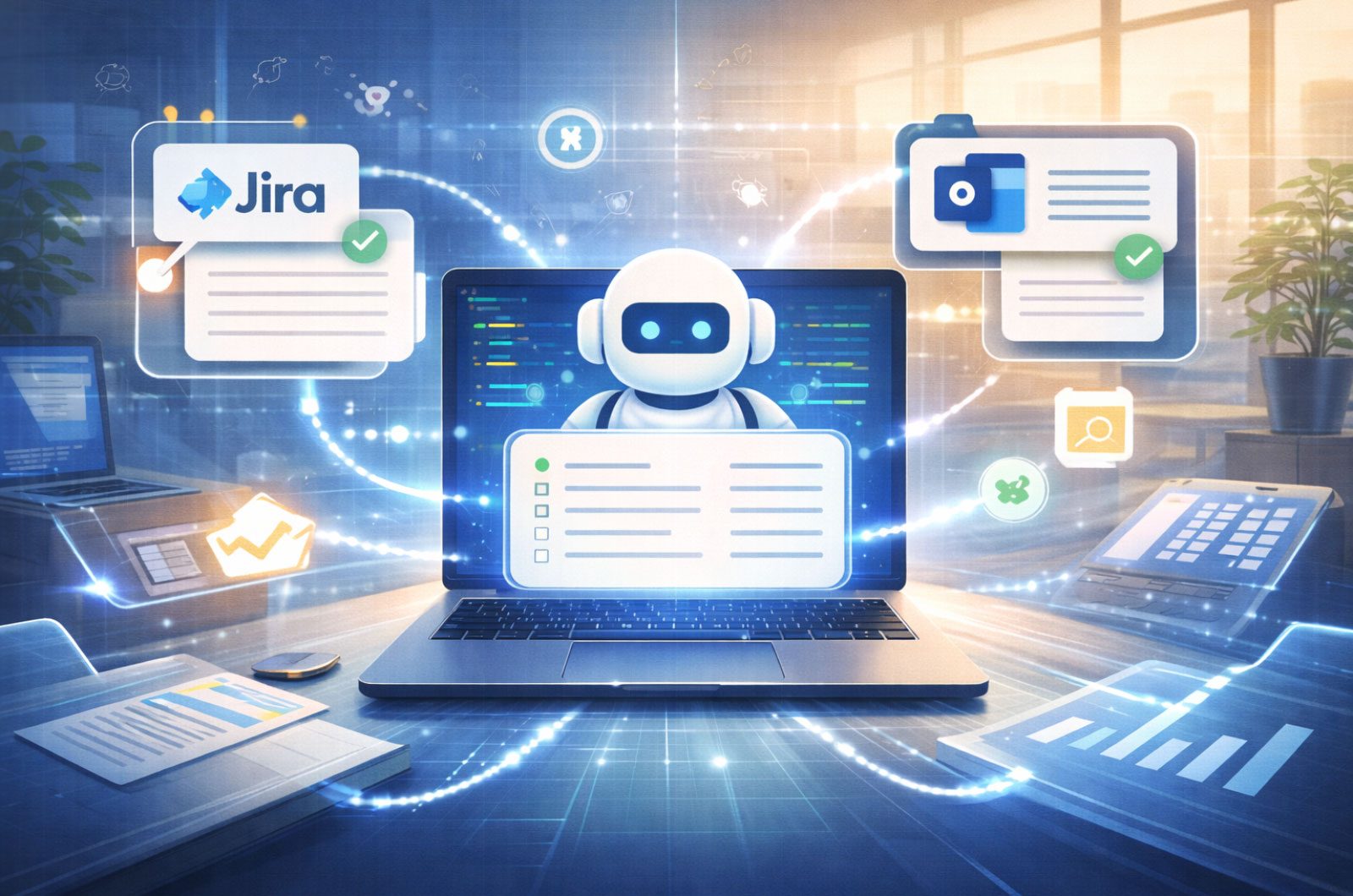
We built a low-code application that automatically summarizes and distributes Post-mortem reports once the associated Jira ticket is closed. The flow collects relevant information from the existing report, uses AI to generate a structured summary, and sends the postmortem report via email to the right stakeholders. To achieve this outcome, we constructed an integration flow between Jira, an AI service, and Outlook using N8N. What used to take days of coordination now happens automatically, within moments.
Results
Three key insights stood out:
- Structure matters—and AI understands it
By recognizing our standard postmortem format in Confluence, AI can reliably extract and summarize critical elements such as root cause, impact, and preventive actions. What was once manual and error-prone becomes consistent and repeatable. - Integration creates speed and trust
Connecting Jira, AI services, and email automation results in a smooth and reliable reporting flow. Incidents move quickly from resolution to communication. The low-code effort of the workflow automation tooling additionally helps to reduce errors. - Clarity arrives faster
AI-generated summaries are both immediate and high in quality. Stakeholders no longer need to wait days for documentation to be completed; insights are shared while the context is still fresh.
What this means for our work
In short: it works and it works well. By automating postmortem summaries and distribution, engineers are freed from repetitive documentation tasks and can focus on what they value most: solving problems and preventing them from happening again. At the same time, transparency improves. Learnings are shared consistently, communication becomes clearer, and organizational learning accelerates after every incident.
From Incident to Insight
This experiment shows how AI can transform Postmortems from a manual reporting task into a fast, consistent learning mechanism. By automating data collection, summaries, and distribution, teams:
- reduce effort
- increase clarity
- distribute information effectively
So incidents can turn into shared insights that strengthen the organization over time.